
1. Indoor Air Quality (IAQ)
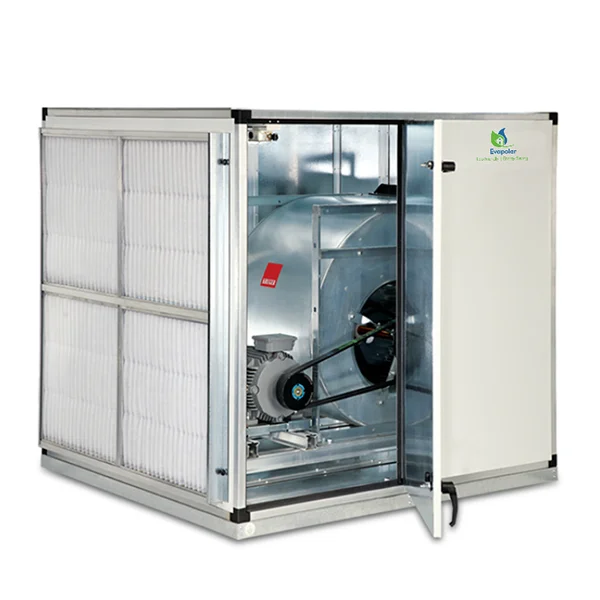
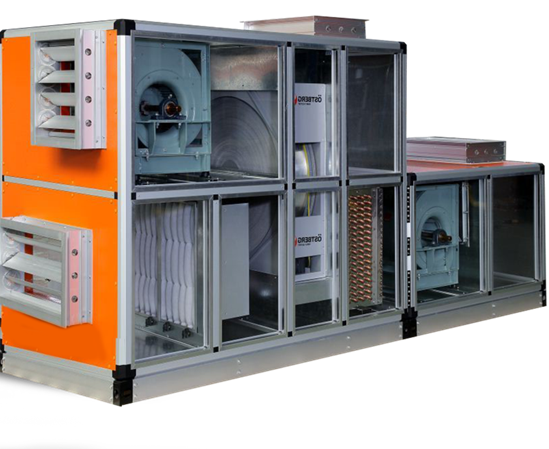
Fresh Air Handling Units (FAHUs) are the primary guardians of indoor air quality in modern HVAC systems.
- Filtration: Multi-stage filters (pre-filter, fine filter, HEPA for healthcare) remove dust, pollen, and microbial contaminants.
- CO₂ Control: By providing 100% fresh air, FAHUs dilute CO₂ and volatile organic compounds (VOCs).
- Contaminant Removal: Prevents buildup of odors, moisture, and harmful gases in densely occupied buildings.
- Standards Compliance: Meets international guidelines such as ASHRAE 62.1 – Ventilation for Acceptable IAQ and WHO health recommendations.
- Critical Spaces: In hospitals, clean rooms, and labs, FAHUs ensure sterile environments by maintaining air purity and pressure differentials.
🔹 Example: In a hospital ICU, FAHUs with HEPA filters supply sterile air, preventing infection spread.
2. Thermal Comfort
Beyond air quality, FAHUs play a vital role in ensuring occupant comfort:
- Temperature Control: Cooling/heating coils treat hot or cold outdoor air before it enters indoor spaces.
- Humidity Management:
- In hot-humid climates (e.g., Gulf, South Asia), FAHUs dehumidify outdoor air to prevent condensation and mold.
- In cold-dry climates, humidifiers in FAHUs maintain acceptable indoor humidity.
- Even Distribution: Conditioned fresh air is evenly distributed across zones via ducts, maintaining consistent comfort levels.
- Pressurization for Comfort: Maintains positive building pressure, preventing infiltration of hot, humid, or polluted air from outside.
🔹 Example: In a high-rise office tower, FAHUs ensure occupants experience stable temperature and humidity even when outdoor conditions vary dramatically.
3. Energy Efficiency
Although FAHUs process 100% fresh air (which increases cooling/heating load), they contribute to long-term energy savings when designed properly:
- Heat Recovery Systems: Energy Recovery Wheels, Heat Pipes, or Run-Around Coils transfer energy from exhaust air to incoming fresh air, reducing cooling/heating demand.
- Demand-Controlled Ventilation (DCV): CO₂ sensors regulate fan speed and airflow, supplying only as much fresh air as needed.
- VFD Integration: Variable Frequency Drives (VFDs) adjust fan speeds to match load, cutting unnecessary energy use.
- Smart Controls: Integration with Building Management Systems (BMS) optimizes FAHU operation for maximum efficiency.
- Sustainability: Supports green building certifications (LEED, WELL, Estidama) by lowering energy consumption while maintaining IAQ.
🔹 Example: In airports and shopping malls, FAHUs with energy recovery wheels can cut cooling energy demand by 20–30% compared to conventional systems.
4. Balanced Role
FAHUs strike a balance between three essential building needs:
- Healthy Air (IAQ) → Protects occupants from pollutants, viruses, and poor ventilation effects.
- Occupant Comfort → Provides stable indoor conditions regardless of outdoor weather.
- Energy Conservation → Minimizes the cost of processing large volumes of outdoor air.