
1. What is Pressurization?
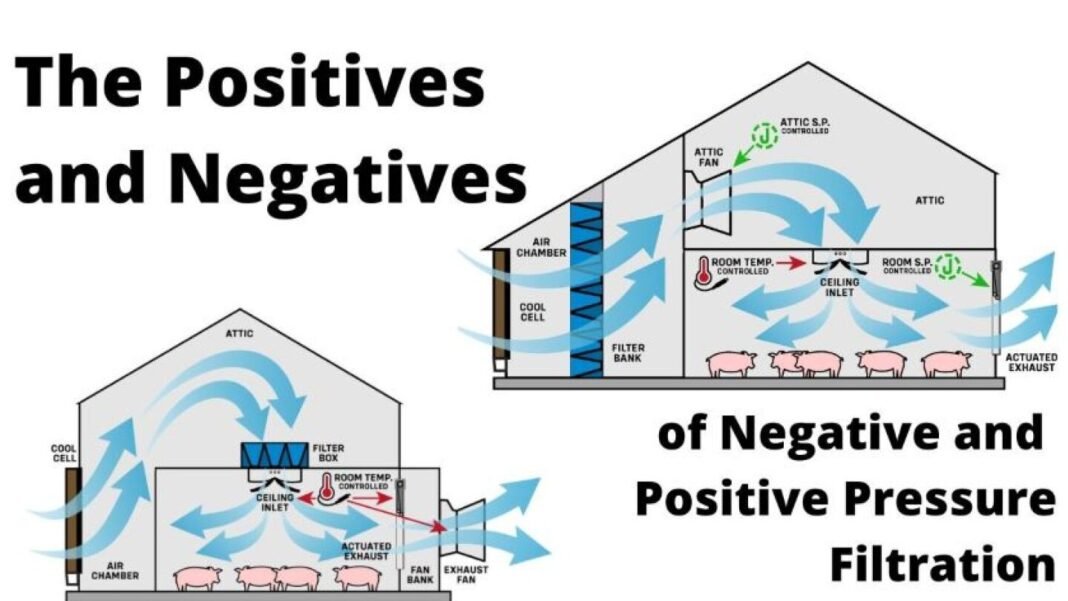
Pressurization is the process of maintaining controlled air pressure differentials between different zones or between the inside and outside of a building by controlling supply air, return air, and exhaust air.
- If Supply Air > Exhaust Air → Positive Pressure
- If Exhaust Air > Supply Air → Negative Pressure
- If Supply = Exhaust → Neutral Pressure
This principle is fundamental for indoor air quality, comfort, safety, and infection control.
2. Why Pressurization Matters
- Air Quality Control: Prevents infiltration of polluted outdoor air.
- Comfort: Keeps hot, humid, or dusty air from entering occupied zones.
- Infection Control: Directs air movement in hospitals (clean → less clean → dirty areas).
- Odor Control: Stops transfer of smells (kitchen, toilets, labs).
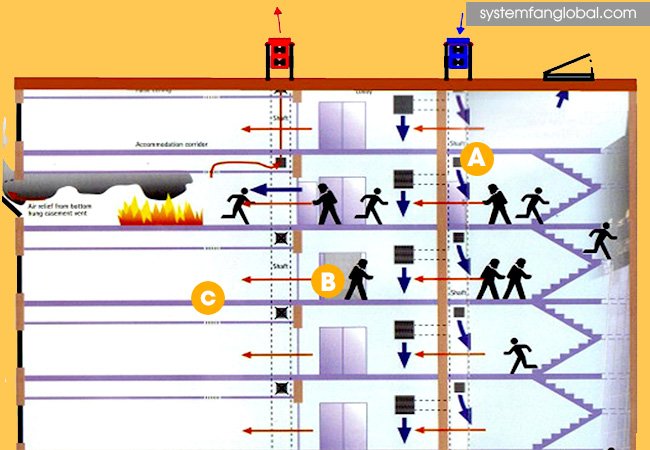
- Fire & Life Safety: Maintains safe escape routes (pressurized stairwells, lift lobbies).
3. Types of Pressurization
🔹 Positive Pressure
- Supply air is greater than exhaust.
- Air flows out of the space when doors open.
- Applications:
- Office spaces (to keep dust out).
- Hospital operating rooms, ICUs.
- Data centers, clean rooms.
- Lift lobbies, escape corridors (fire safety).
🔹 Negative Pressure
- Exhaust air is greater than supply.
- Air flows into the space when doors open.
- Applications:
- Toilets, bathrooms, kitchens.
- Isolation rooms (infectious diseases).
- Laboratories handling chemicals or biohazards.
- Garbage rooms.
🔹 Neutral Pressure
- Supply ≈ Exhaust.
- Balanced environment where minimal air transfer is desired.
- Applications:
- General office spaces (with mixed air systems).
- Storage areas.
- Public zones with no contaminants.
4. Pressurization in Different Buildings
- Hospitals:
- Operating Room → Positive pressure (clean air flows outward).
- Isolation Room → Negative pressure (contaminated air is contained).
- High-Rise Towers:
- Stairwells and lift lobbies pressurized for fire safety.
- Apartments/rooms slightly positive vs. corridors.
- Industrial Facilities:
- Clean zones positive vs. production halls.
- Hazardous process areas kept negative.
5. Typical Pressure Differentials
- General comfort: +5 to +10 Pa (positive).
- Healthcare critical zones: +15 Pa (OR positive), -15 Pa (Isolation negative).
- Stairwell pressurization (fire): +25 to +50 Pa to prevent smoke infiltration.
6. How FAHUs Support Pressurization
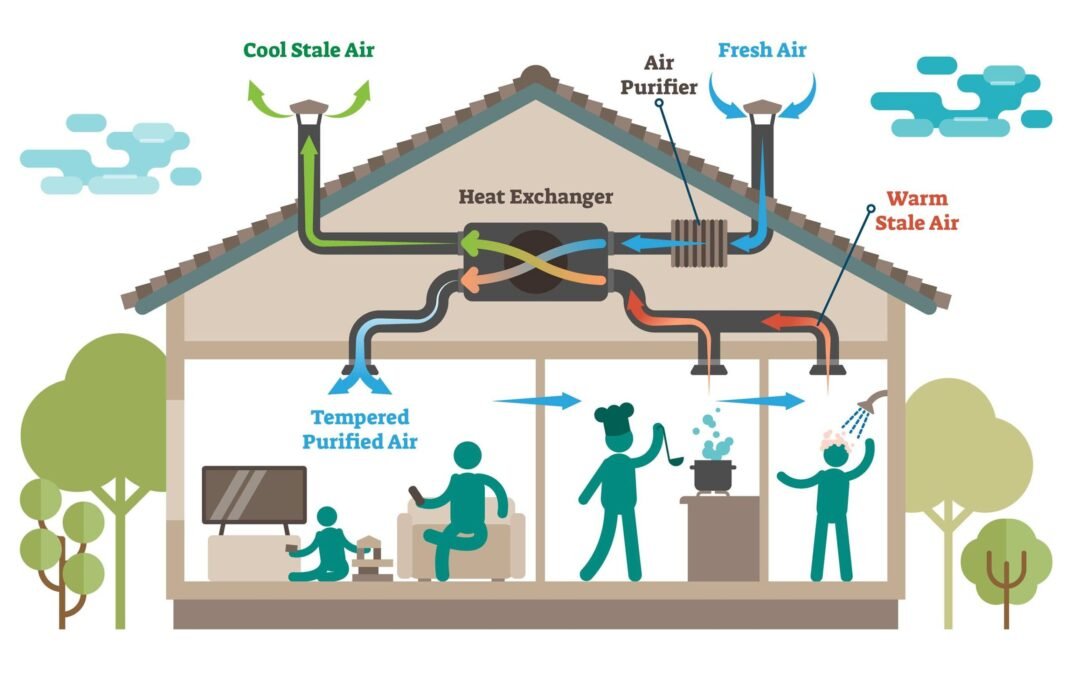
- Supply Control: FAHU delivers conditioned outdoor air.
- Exhaust Balancing: Coordinated exhaust fans maintain desired pressure.
- BMS Integration: Pressure sensors + differential pressure transmitters control dampers and fan speeds.
- Energy Recovery: In high outdoor air demand zones, heat recovery devices reduce energy penalty.
7. Example Scenarios
- Hospital ICU: FAHU supplies 100% fresh air, maintaining positive pressure in corridors, negative pressure in isolation rooms.
- Commercial Tower: FAHU pressurizes lift lobbies and staircases to ensure fire safety.
- Industrial Lab: FAHU supplies controlled air, while fume hoods exhaust to maintain negative pressure.