

Designing and installing an HVAC (Heating, Ventilation, and Air Conditioning) system requires careful planning to ensure efficiency, comfort, and cost-effectiveness. Below is a step-by-step guide to HVAC system design and installation.
1. Understanding HVAC System Components
An HVAC system consists of several key components:
- Heating Unit: Furnace, boiler, or heat pump.
- Cooling Unit: Air conditioner or chiller.
- Ventilation: Ductwork, fans, and air filters.
- Controls: Thermostats, sensors, and dampers.
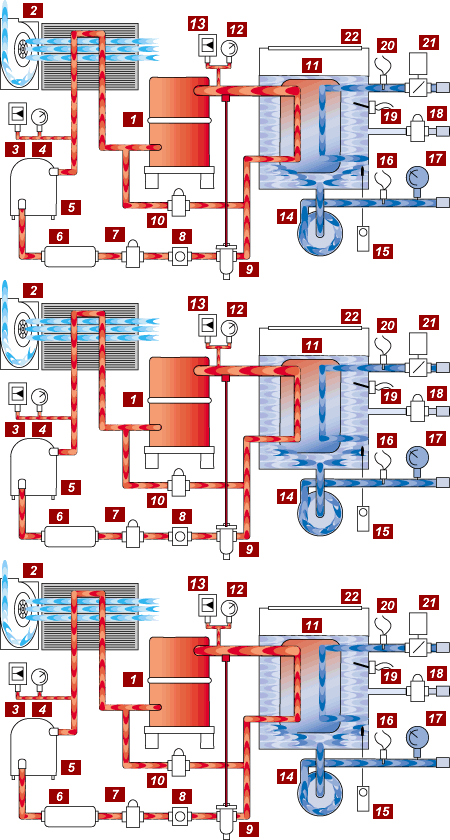
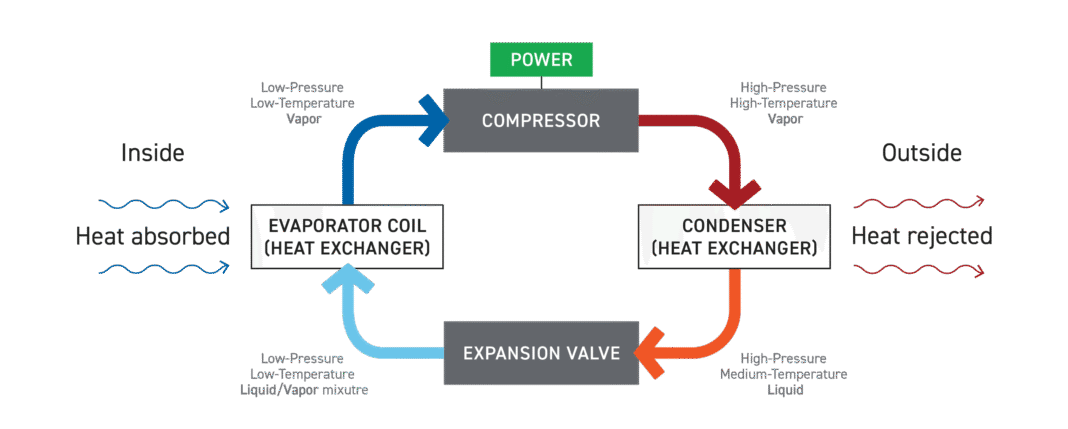
- Refrigeration Cycle: For cooling applications, involves compressors, evaporators, and condensers.
2. HVAC System Design Considerations
A. Load Calculation (Heat Gain & Loss Analysis)
Before installation, perform a Manual J Load Calculation to determine the required heating and cooling capacity. This includes:
- Building Size and Layout: Square footage, number of floors, ceiling height.
- Insulation Levels: Walls, roof, and flooring materials.
- Windows & Doors: Placement, type, and glazing.
- Occupancy & Equipment Heat Load: Number of occupants and heat-generating devices.
- Climate Considerations: Outdoor temperature and humidity variations.
B. System Sizing & Selection
- Oversized systems lead to short cycling and inefficiency.
- Undersized systems struggle to maintain comfort.
- Choose the right SEER (Seasonal Energy Efficiency Ratio) and HSPF (Heating Seasonal Performance Factor) for energy efficiency.
C. Ductwork Design & Airflow
- Proper duct sizing (Manual D method) ensures optimal airflow.
- Avoid long duct runs and sharp bends.
- Use insulated ducts to prevent energy loss.
- Include air return vents in all rooms for balanced pressure.
D. Ventilation & Indoor Air Quality (IAQ)
- Implement HRV (Heat Recovery Ventilator) or ERV (Energy Recovery Ventilator) for fresh air intake.
- Use high-quality MERV or HEPA filters to reduce contaminants.
- Consider UV lights for microbial control in air handling units.
3. HVAC System Installation Steps
A. Preparing the Site
- Ensure adequate space for indoor and outdoor units.
- Check electrical requirements and gas connections.
- Prepare drainage for condensate lines.
B. Installing the Heating & Cooling Units
- Furnace/Boiler/Heat Pump: Secure in the designated mechanical room.
- Air Conditioner/Chiller: Install outdoor units with proper clearance (usually 2-3 feet around).
C. Ductwork & Air Distribution
- Secure ducts using brackets and seal joints with mastic or foil tape.
- Install dampers for zoning control.
D. Electrical & Controls Wiring
- Connect thermostats and zone control systems as per wiring diagrams.
- Test power supply, circuit breakers, and fuses.
E. Refrigerant Charging & System Testing
- Use the correct refrigerant type (R-410A, R-32, or R-134a for commercial applications).
- Check for refrigerant leaks using a vacuum pump before charging.
- Test airflow and temperature differentials.
4. Commissioning & System Optimization
- Perform pressure testing to detect leaks.
- Balance the system for equal airflow in all rooms.
- Calibrate thermostats and smart HVAC controls.
- Provide end-user training for operating and maintaining the system.
5. Energy Efficiency & Best Practices
- Use smart thermostats for automated control.
- Upgrade to variable speed compressors for energy savings.
- Regular maintenance (filter replacement, coil cleaning) improves system longevity.
- Consider renewable energy sources, such as solar-assisted HVAC systems.