

1. Introduction
The building envelope is the physical separator between the interior and exterior environments of a building, including walls, windows, roofs, floors, and doors. It plays a critical role in regulating heat flow, air infiltration, and moisture transfer, directly influencing heating and cooling loads in HVAC system design. In high-rise buildings, due to the large surface area exposed to external conditions, the building envelope’s performance has a significant impact on energy consumption, indoor comfort, and system sizing.
2. Key Components of the Building Envelope
a. External Walls
- Thermal Insulation (R-value or U-value): Determines resistance to heat flow.
- Material Composition: Concrete, brick, steel framing, etc., influence thermal mass and insulation.
- Color and Finish: Light colors reflect solar radiation; dark colors absorb more heat.
- Thermal Bridging: Weak points where heat bypasses insulation (e.g., at structural junctions).
b. Windows and Glazing
- Type of Glazing: Single, double, or triple-pane; low-emissivity (Low-E) coatings.
- Solar Heat Gain Coefficient (SHGC): Proportion of solar radiation admitted.
- Visible Transmittance (VT): Amount of visible light passing through.
- U-factor: Measure of heat transfer through the window assembly.
- Frame Materials: Aluminum (highly conductive), vinyl, fiberglass (better insulators).
c. Roofs
- Roof Insulation: Prevents heat loss in winter and heat gain in summer.
- Reflectivity (Albedo): Reflective or “cool” roofs reduce solar heat absorption.
- Green Roofs: Provide insulation and reduce urban heat island effect.
d. Doors
- Material and Insulation: Solid core or insulated metal doors affect thermal performance.
- Air Tightness: Reduces infiltration when properly sealed.
e. Floors and Slabs
- Insulated floors (especially over unconditioned spaces) reduce heat loss or gain.
- Thermal Breaks to minimize conductive losses in cantilevered slabs.
3. Building Envelope’s Impact on HVAC Load Calculation
a. Heat Transfer Control
- Conduction: Through walls, roofs, floors, and windows — depends on material R/U-values.
- Radiation: Solar heat gain through windows, walls, and roofs.
- Convection: Air exchange due to infiltration/exfiltration through gaps or unsealed areas.
b. Infiltration and Air Leakage
- Poorly sealed envelopes allow uncontrolled air entry/exit, increasing heating and cooling loads.
- Stack effect in high-rise buildings can exacerbate infiltration, especially in winter.
c. Solar Gains
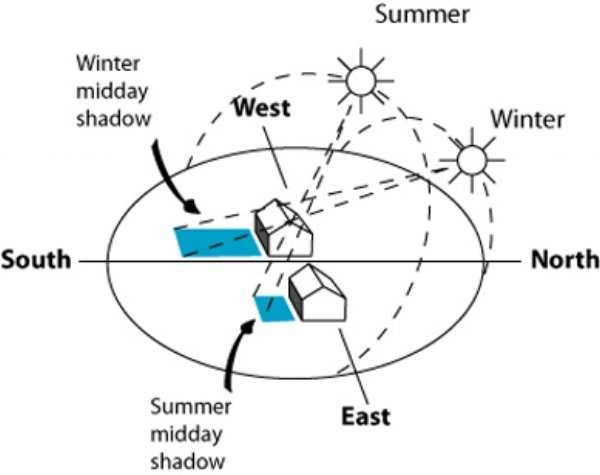
- Glazing performance and orientation control the amount of solar radiation admitted.
- Solar gains affect cooling loads in summer and reduce heating loads in winter when properly utilized.
4. Performance Metrics and Standards
| Parameter | Description | Impact on HVAC Load |
|---|---|---|
| R-value (m²·K/W) | Thermal resistance of material | Higher R-value = Less heat transfer |
| U-value (W/m²·K) | Thermal transmittance (inverse of R-value) | Lower U-value = Less heat transfer |
| SHGC (Solar Heat Gain Coefficient) | Fraction of solar gain transmitted | Lower SHGC = Less cooling load |
| VT (Visible Transmittance) | Fraction of visible light transmitted | Affects daylighting and cooling |
| Air Leakage Rate (m³/h·m²) | Air infiltration per surface area | Lower rate = Lower HVAC load |
Standards/Guidelines:
- ASHRAE 90.1: Minimum energy efficiency standards for building envelopes.
- IECC (International Energy Conservation Code): Energy codes for envelope design.
- LEED/BREEAM/Green Star: Sustainable building certification programs emphasizing envelope performance.
5. Design Considerations for Optimal Envelope Performance
- Select high-performance insulation materials to reduce conductive heat transfer.
- Use high-performance glazing with appropriate SHGC and U-values for climate and orientation.
- Minimize thermal bridges with continuous insulation and proper detailing.
- Incorporate shading devices (overhangs, fins, louvers) for controlling solar gains.
- Ensure air-tightness with quality sealing, proper gaskets, and vapor barriers.
- Integrate reflective or green roofs to reduce roof-related cooling loads.
- Consider dynamic facades (smart glazing, operable shading) for adaptive performance.
6. Conclusion
The building envelope is a primary determinant of a building’s thermal behavior and energy efficiency. A well-designed envelope can substantially reduce HVAC loads, improve occupant comfort, and lower operating costs. In high-rise buildings, where the envelope surface area is extensive and exposed to varied environmental conditions, precise selection and design of envelope components are critical for optimal HVAC system performance.