
🔹 What is a Hybrid HVAC System?
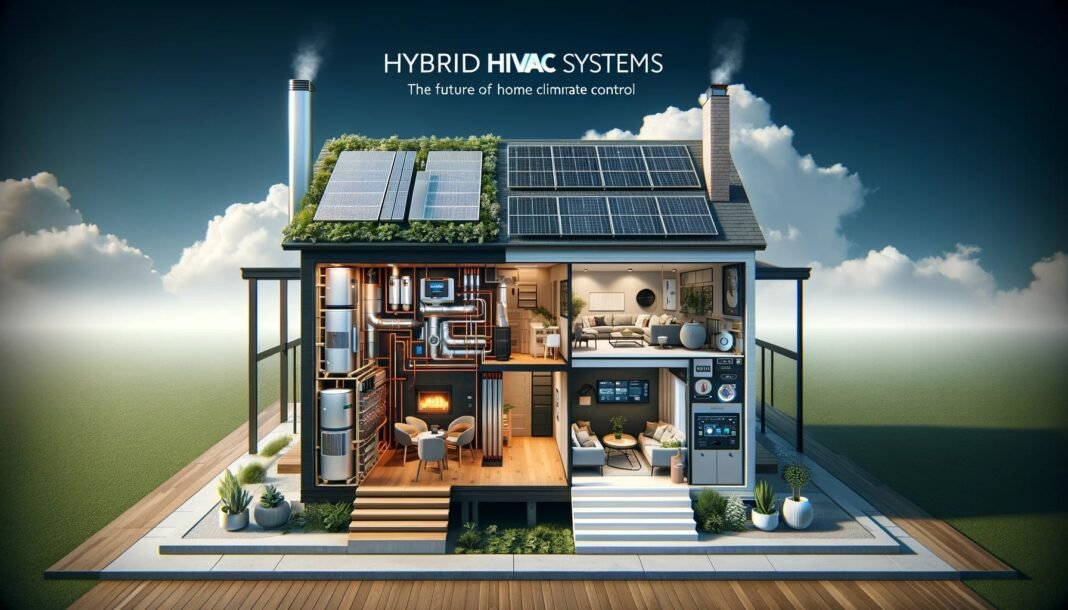
A Hybrid HVAC system combines two or more heating/cooling technologies in a single integrated solution to achieve higher energy efficiency, flexibility, and sustainability. Unlike conventional HVAC that relies on a single source (electric, gas, or refrigerant), hybrid systems intelligently switch between multiple energy sources or mediums—depending on load demand, outdoor conditions, and cost of energy.
🔹 Types of Advanced Hybrid HVAC Systems
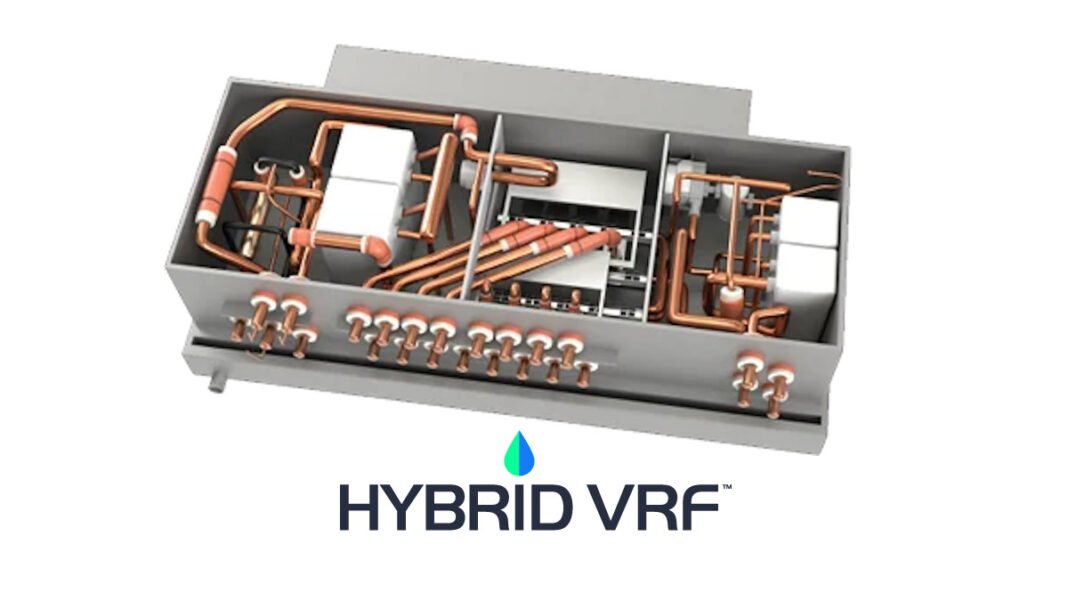
1. Hybrid VRF (HVRF) Systems
- Mixes refrigerant-based VRF with a water-based secondary loop.
- Outdoor units use refrigerant → but indoor fan coil units use water (not refrigerant), reducing refrigerant quantity.
- Benefits:
- Lower refrigerant volume (compliance with F-Gas regulations).
- Energy-efficient partial load performance.
- Flexible zoning in high-rise or multi-use buildings.
2. Hybrid Chilled Water & VRF Systems
- Combines central chiller plants with VRF terminals.
- VRF handles part-load/localized zones, while chillers handle base load.
- Benefits:
- High comfort control for variable spaces.
- Optimized efficiency in mixed-use buildings (offices, malls, hospitals).
3. Hybrid Geothermal Heat Pump Systems
- Uses ground-source heat pumps (GSHPs) + supplementary boilers/chillers.
- Geothermal handles base load; boilers or cooling towers support during peak demand.
- Benefits:
- Major energy savings.
- Smaller borefield requirement.
- Enhanced reliability in extreme climates.
4. Hybrid Air & Water Distribution Systems
- Example: Chilled beams + DOAS (Dedicated Outdoor Air System).
- DOAS supplies dry conditioned outdoor air; chilled beams handle sensible cooling with chilled water.
- Benefits:
- Excellent IAQ (indoor air quality).
- Low energy (water is more efficient for heat transfer than air).
- Space-saving ductwork.
5. Hybrid Rooftop Packaged Units with Renewable Integration
- Rooftop units combined with solar PV, thermal storage, or desiccant wheels.
- Benefits:
- Demand-side energy reduction.
- Resiliency with renewable backup.
🔹 Key Advantages of Hybrid HVAC
- Energy Efficiency – Switches between sources depending on energy cost/load.
- Sustainability – Lower carbon emissions & refrigerant usage.
- Regulatory Compliance – Meets new low-GWP refrigerant and energy codes.
- Flexibility – Suitable for high-rise towers, hospitals, data centers, and mixed-use mega projects.
- Cost Optimization – Leverages real-time energy pricing (electricity vs. natural gas).
- Improved IAQ & Comfort – Through DOAS integration, humidity control, and zoning.
🔹 Application Areas
- High-Rise Commercial Buildings (offices, hotels, malls)
- Hospitals & Healthcare Facilities (where refrigerant safety is critical)
- Universities & Data Centers (need redundancy + efficiency)
- Smart Cities & District Cooling Networks (e.g., NEOM, Dubai, Qatar)
⚡ Future Trend: Hybrid HVAC systems are becoming the “bridge technology” between fully refrigerant-based and water-based systems—especially under net-zero and low-GWP refrigerant mandates. Integration with AI, IoT, and smart BMS will make them adaptive and predictive.