
1. Introduction
The climate and orientation of a building are among the most critical external factors influencing HVAC load calculations. They determine the thermal performance of a building, affecting both heating and cooling demands. Understanding these impacts is essential for accurate load estimation, energy-efficient design, and occupant comfort, especially in high-rise buildings where exposure to the external environment is significant.
2. Impact of Climate on HVAC Load
Climate refers to the long-term weather patterns in a specific geographical location, including temperature, humidity, solar radiation, and wind conditions. The local climate affects both cooling and heating loads in several ways:
a. Cooling Load Impact (Hot and Humid Climates):
- High ambient temperatures increase the sensible cooling demand.
- High humidity levels increase latent cooling loads due to moisture removal.
- Intense solar radiation leads to higher heat gains through walls, roofs, and glazing.
- Warm night temperatures limit passive cooling options, increasing HVAC reliance.
b. Heating Load Impact (Cold Climates):
- Low outdoor temperatures increase heating demand.
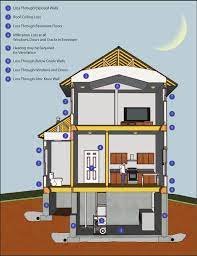
- Cold winds cause infiltration and exfiltration, leading to additional heat loss.
- Snow accumulation and shading may reduce solar gains, increasing heating loads.
c. Mixed or Moderate Climates:
- Require balanced HVAC systems that can handle both heating and cooling efficiently.
- Seasonal variations in load require flexible system design (e.g., variable refrigerant flow, heat pumps).
3. Impact of Building Orientation on HVAC Load
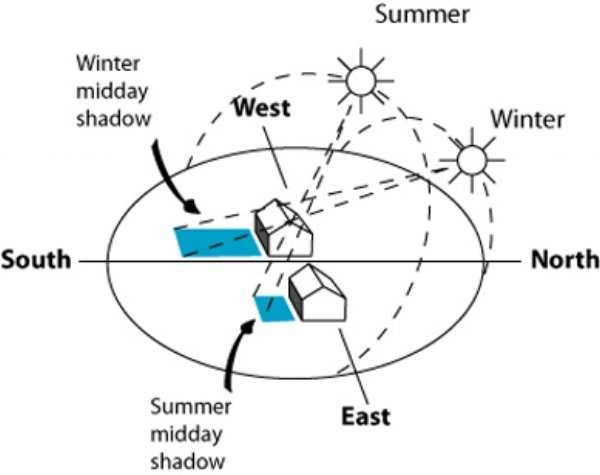
Orientation refers to how a building is positioned relative to cardinal directions (North, South, East, West). Orientation significantly influences solar heat gain, glare, and daylighting, which affect the HVAC load.
a. Solar Heat Gain and Glazing Exposure:
- East-facing windows receive high solar gain in the morning, contributing to early-day cooling loads.
- West-facing windows are exposed to afternoon sun, causing peak cooling loads when ambient temperatures are highest.
- South-facing windows (in Northern Hemisphere) receive maximum sunlight in winter, beneficial for passive heating, but can also increase cooling loads in summer if not shaded properly.
- North-facing windows have the least direct solar gain, generally reducing cooling demand but possibly increasing heating loads.
b. Wind Exposure:
- Buildings facing prevailing winds may experience higher infiltration rates, impacting heating and cooling loads.
- Proper orientation can reduce wind pressure impacts and improve natural ventilation when feasible.
c. Shading and Obstructions:
- Nearby buildings, trees, or topographical features may shade parts of the building, reducing solar gains and cooling loads.
- However, reduced solar gain may increase heating needs in colder months.
4. Strategies to Address Climate and Orientation Impacts
To optimize HVAC loads and system performance:
- Climate-responsive design (e.g., high-performance glazing, insulation, and reflective roofing for hot climates).
- Proper orientation and zoning to distribute HVAC loads effectively (e.g., separate east/west exposures into distinct zones).
- Shading devices (e.g., overhangs, louvers) and low solar heat gain coefficient (SHGC) windows to control solar gains.
- Use of energy modeling tools (e.g., EnergyPlus, HAP, TRACE) to simulate climate and orientation effects accurately.
5. Conclusion
The interaction between climate and building orientation has a profound effect on HVAC load calculations. By carefully considering these factors during the design phase, engineers and architects can optimize building performance, reduce energy consumption, and enhance occupant comfort. Effective integration of climate and orientation into HVAC design ensures that systems are neither oversized nor undersized, contributing to both operational efficiency and sustainability.