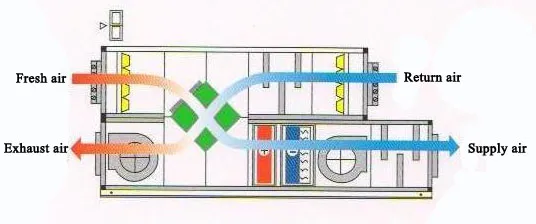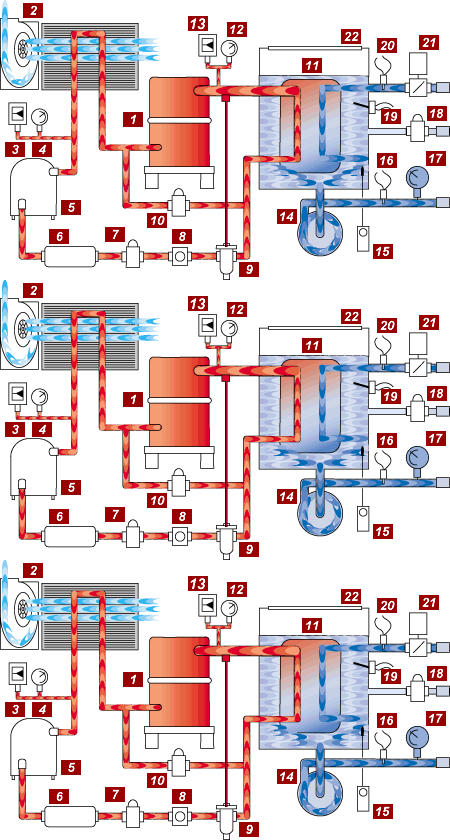

HVAC stands for Heating, Ventilation, and Air Conditioning, and it refers to the technology used to control indoor environmental conditions such as temperature, humidity, and air quality. Refrigeration systems, on the other hand, are designed to remove heat from a specific area to lower its temperature, commonly used in food preservation and industrial cooling.
1. HVAC System
An HVAC system ensures comfort by regulating:
- Heating: Provides warmth using furnaces, boilers, or heat pumps.
- Ventilation: Ensures fresh air circulation and removes pollutants.
- Air Conditioning: Cools indoor spaces using refrigerants and air handlers.
Types of HVAC Systems
- Split System – Separate indoor and outdoor units.
- Ductless Mini-Split – Ideal for areas without ductwork.
- Packaged System – All components in a single unit.
- Central HVAC System – Used in large buildings.
2. Refrigeration System
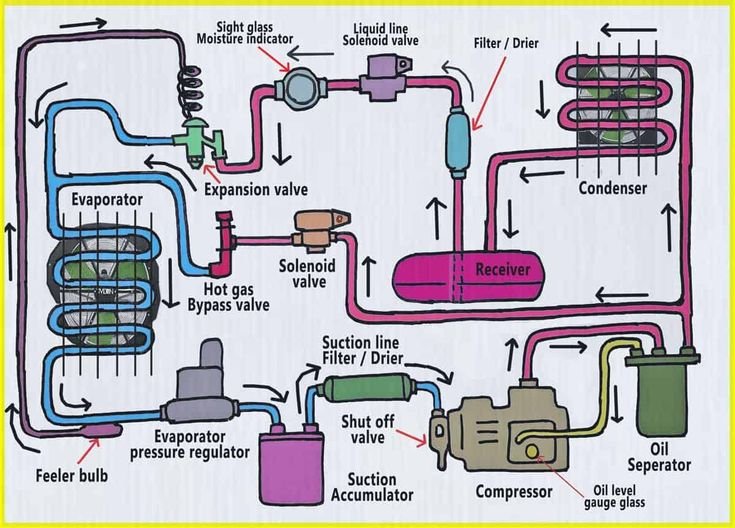
A refrigeration system removes heat from an area and maintains a lower temperature using a cycle of compression, condensation, expansion, and evaporation.
Types of Refrigeration Systems
- Mechanical-Compression Refrigeration – Most common, using refrigerants like R-410A.
- Absorption Refrigeration – Uses heat energy instead of mechanical compressors.
- Evaporative Cooling – Uses water evaporation for cooling (e.g., swamp coolers).
- Cryogenics – Used for extremely low temperatures (e.g., liquid nitrogen).
Key Components of a Refrigeration System
- Compressor: Pressurizes and moves refrigerant.
- Condenser: Releases heat to the environment.
- Expansion Valve: Controls refrigerant flow.
- Evaporator: Absorbs heat and cools the space.
Difference Between HVAC and Refrigeration
| Feature | HVAC | Refrigeration |
|---|---|---|
| Purpose | Climate control | Cooling & preservation |
| Application | Homes, offices, industries | Food storage, medical, industrial cooling |
| System Type | Heating, cooling, ventilation | Heat extraction & cooling |
Both HVAC and Refrigeration systems rely on thermodynamic principles and refrigerants to manage temperature and air quality efficiently.