Heating, Ventilation, and Air Conditioning (HVAC) systems play a critical role in maintaining indoor environmental quality, comfort, and energy efficiency in high-rise buildings. The HVAC load calculation is a fundamental step in designing these systems, ensuring that equipment is properly sized to meet the building’s heating and cooling demands under varying conditions.
Unlike low-rise or residential structures, high-rise buildings present unique challenges and complexities in HVAC design due to their vertical height, mixed-use spaces, exposure to varying environmental factors, and stack effect phenomena. Accurate load calculations are essential to achieve thermal comfort, indoor air quality (IAQ), and energy efficiency, while avoiding problems like oversizing or undersizing HVAC equipment.
Key Factors Influencing HVAC Load in High-Rise Buildings:
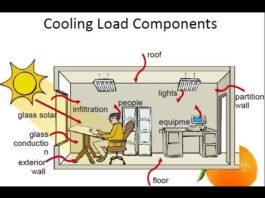
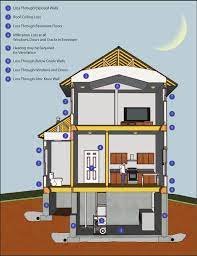
- Building Envelope Characteristics:
- Wall, window, and roof insulation (thermal transmittance, U-values)
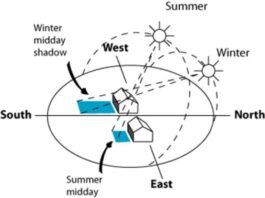
- Glazing types and solar heat gain
- Air leakage and infiltration rates
- Internal Heat Gains:
- Occupants and their activities
- Lighting systems and electrical equipment
- Data centers and high-load zones (if applicable)
- External Environmental Conditions:
- Local climate (temperature, humidity)
- Solar radiation and wind effects
- Building Usage and Zoning:
- Mixed-use (residential, commercial, hospitality)
- Diverse occupancy schedules and loads
- Zoning based on floor height and orientation
- Ventilation and Air Quality Requirements:
- Outdoor air intake for ventilation
- Compliance with standards (ASHRAE, local codes)
Types of HVAC Loads in High-Rise Buildings:
- Sensible Load: Heat addition or removal that affects temperature.
- Latent Load: Moisture addition or removal affecting humidity.
- Peak Load: Maximum heating or cooling demand under extreme conditions.
- Block Load: Total demand for the entire building.
- Zonal Load: Demand in specific areas or floors based on usage and exposure.
Importance of Accurate Load Calculations:
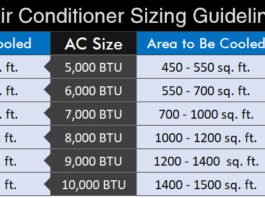
- Optimal HVAC Equipment Sizing: Prevents inefficiencies and ensures comfort.
- Energy Efficiency: Reduces operational costs and environmental impact.
- System Performance: Maintains proper air distribution and dehumidification.
- Regulatory Compliance: Meets building codes and sustainability standards (e.g., LEED).
Conclusion:
Effective HVAC load calculation for high-rise buildings requires a systematic and detailed approach, accounting for both architectural and operational parameters. Utilizing advanced modeling tools (like HAP, TRACE, eQUEST) and adhering to recognized standards (e.g., ASHRAE Handbook of Fundamentals) ensure reliable designs that promote comfort, safety, and sustainability.