Sizing an HVAC system correctly is crucial for efficiency, comfort, and long-term performance. Here’s a step-by-step guide:
1. Perform a Load Calculation (Manual J)
The industry standard for residential HVAC sizing is Manual J, developed by the Air Conditioning Contractors of America (ACCA). For commercial buildings, Manual N is used. This calculation considers:
- Building Size & Layout – Square footage, number of floors, ceiling heights.
- Insulation Levels – R-values of walls, roof, and windows.
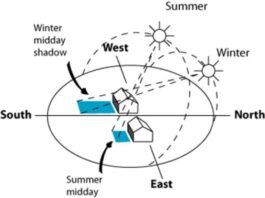
- Window & Door Details – Type, size, orientation, and shading.
- Occupancy & Usage – Number of people, appliances, and heat-generating equipment.
- Climate Zone – Regional temperature and humidity levels.
2. Determine Cooling Load (BTU/hr)
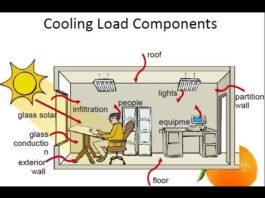
The cooling load consists of:
- Sensible Load – Heat from people, appliances, and sunlight.
- Latent Load – Humidity removal requirements.
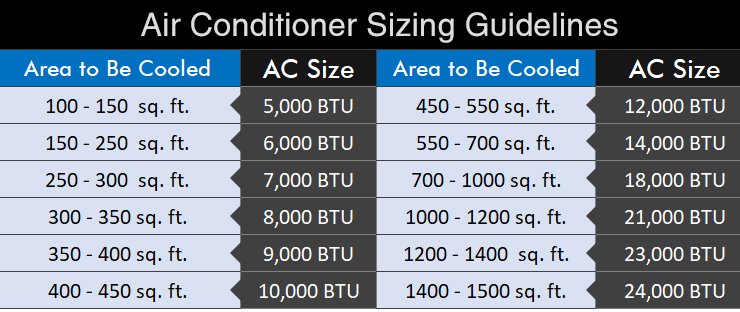
A rough estimate is 1 ton (12,000 BTU/hr) per 400–600 sq. ft., but an accurate Manual J calculation is necessary.
3. Determine Heating Load
Heating load depends on:
- Outdoor winter design temperature.
- Indoor setpoint temperature.
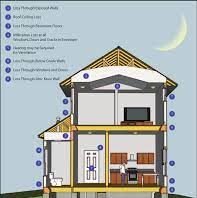
- Heat loss through walls, roof, and infiltration.
Furnace or heat pump sizing is typically measured in BTUs per hour.
4. Choose the Right Equipment
- Air Conditioners & Heat Pumps – Use Manual S to select equipment that matches the Manual J load.
- Furnaces & Boilers – Sizing should align with the heat loss calculation.
- Ductwork Design (Manual D) – Properly sized ducts ensure efficient airflow.
5. Consider Efficiency Ratings
- SEER (Seasonal Energy Efficiency Ratio) for cooling.
- HSPF (Heating Seasonal Performance Factor) for heat pumps.
- AFUE (Annual Fuel Utilization Efficiency) for furnaces.
6. Avoid Oversizing & Undersizing
- Oversized systems cycle on and off too frequently, causing inefficiency, uneven temperatures, and humidity issues.
- Undersized systems run continuously, struggling to maintain comfort.