
1. Protecting Indoor Air Quality (IAQ)
- Primary Role: Filters remove dust, pollen, bacteria, smoke, and other airborne contaminants.
- Health Impact:
- Reduces allergies, asthma triggers, and respiratory infections.
- Helps control microbial growth (with fine/HEPA filters).
- Regulations: Filters ensure compliance with ASHRAE 62.1, EN 779, ISO 16890, WHO, and local codes for IAQ.
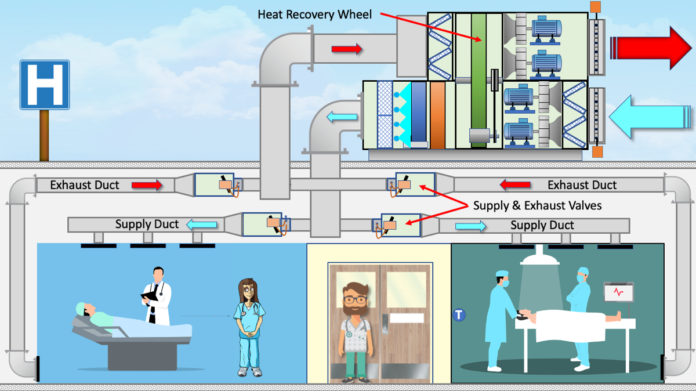
- Example: In hospitals, HEPA filters in FAHUs ensure sterile air for operating rooms and ICUs.
2. Protecting HVAC Equipment
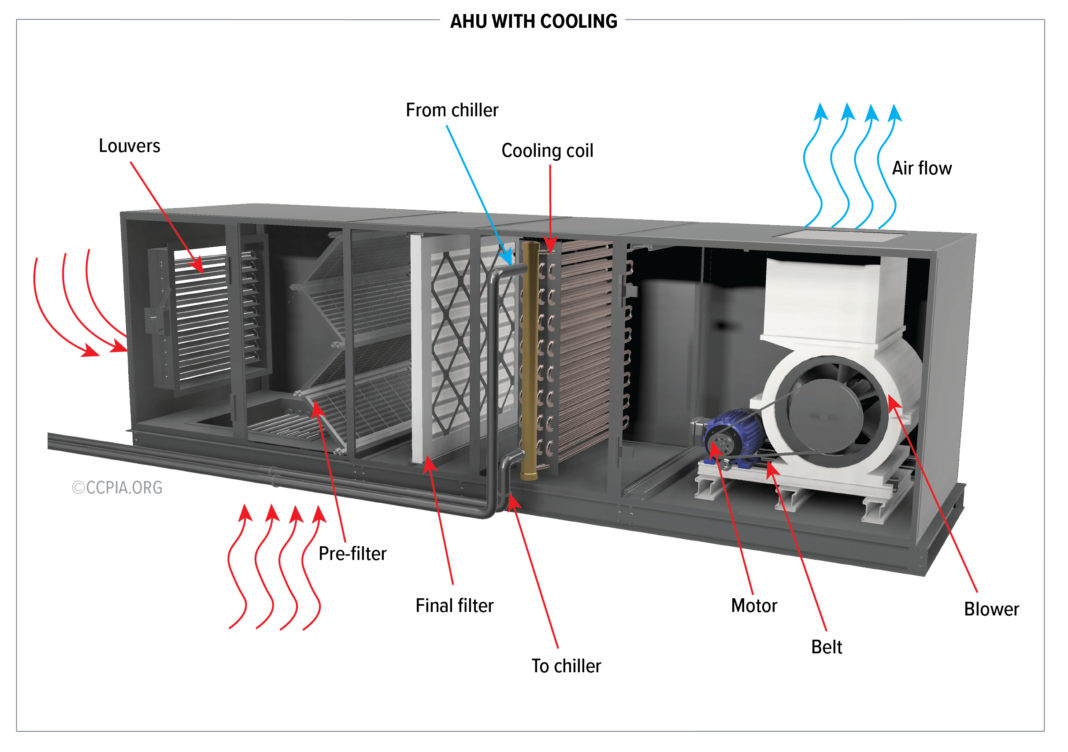
- Filters prevent dirt, dust, and grease from accumulating on:
- Cooling/Heating Coils → fouling reduces heat transfer efficiency.
- Fans/Blowers → dust imbalance causes vibration, wear, and higher power use.
- Ductwork → dust accumulation leads to IAQ deterioration and costly cleaning.
- Result: Longer equipment life, lower maintenance cost, reduced breakdowns.
3. Ensuring Comfort & Safety
- Clean filters ensure that design airflow and ventilation rates are maintained.
- Prevents reduced airflow which can cause:
- Poor temperature control.
- Uneven distribution of conditioned air.
- Stuffy or uncomfortable indoor environments.
- In critical facilities (hospitals, pharma labs), filters maintain safety by preventing cross-contamination.
4. Supporting Energy Efficiency
- Clean filters → lower pressure drop → lower fan power consumption.
- Dirty filters → increased fan energy, reduced airflow, and higher operating costs.
- Smart FAHUs: Modern systems integrate differential pressure sensors across filters to optimize replacement schedules and avoid energy waste.
5. Enabling Application-Specific Performance
- Different buildings require different filter strategies:
- Commercial Buildings (Offices, Malls): Pre-filters + Fine filters (F7–F9).
- Healthcare Facilities: Pre-filters + Fine filters + HEPA filters.
- Industrial Facilities: HEPA + activated carbon filters for chemical or odor removal.
- FAHU filters are chosen based on occupancy type, contamination risk, and local IAQ codes.
6. Example Scenarios
- Office Building:
- Without proper filters → high CO₂ + dust = staff complaints, productivity loss.
- With proper filters → IAQ within ASHRAE 62.1, improved comfort and focus.
- Hospital Operating Room:
- Without HEPA → infection risk, non-compliance with ASHRAE 170.
- With HEPA → sterile environment, patient safety ensured.
7. Summary Table: Why Filters Are Important
| Aspect | Importance of Filters |
|---|---|
| Indoor Air Quality | Removes dust, allergens, microbes → healthier air |
| HVAC Equipment | Protects coils, fans, ducts → extends equipment life |
| Comfort | Maintains airflow and temperature balance |
| Energy Efficiency | Clean filters = lower fan power, reduced energy cost |
| Safety | Prevents contamination spread (critical in healthcare) |